
Civil engineering & land surveying excellence in northern & central california
Serving Your Project Needs with Precision, Experience, and Local Expertise Since 1953
Civil engineering & land surveying excellence in northern & central california
At Laugenour and Meikle, we understand that every project is unique—and so are its challenges. That’s why we bring a comprehensive suite of expertise to every job, ensuring your vision moves seamlessly from concept to completion.
Whether you’re navigating complex planning and approvals, evaluating sites through detailed due diligence reporting, or tackling residential and commercial subdivisions, our team is equipped to guide you every step of the way. We handle mixed-use community developments, commercial and retail spaces, and large-scale industrial or manufacturing sites with equal confidence and precision.
Our services extend to designing essential infrastructure, including water distribution systems, power and telecommunication utilities, on-site sewage treatment facilities, sanitary sewer collection systems, and advanced stormwater treatment facilities. Sustainability is always top of mind—we can assist with LEED certification and incorporate erosion and sediment control strategies that protect your investment and the environment.
From initial design through inspection, Laugenour and Meikle is committed to providing the right expertise for your type of project, no matter the scale or complexity.

Why Choose Us?
Experience You Can Trust
Established in 1953, we bring proven expertise to every project—large or small, public or private.
Precision & Technology
We combine time-tested methods with advanced tools like GPS, robotics, and drones for the most accurate results.
Local Knowledge
From Yolo County to the Sacramento Valley, our team understands the unique challenges, permitting processes, and geography of your region.
Responsive Service
We value your time and budget. Our team provides clear timelines, transparent pricing, and proactive updates from start to finish.
CIVIL
ENGINEERING
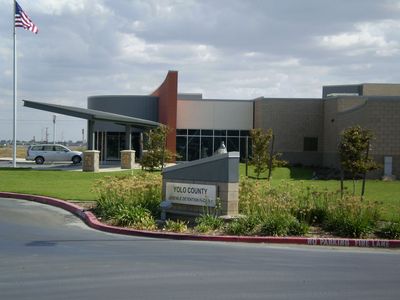
From site design to project completion, our civil engineering team ensures your project is managed efficiently, meets regulatory standards, and achieves your vision—on time and on budget.
SITE SURVEYING & MAPPING
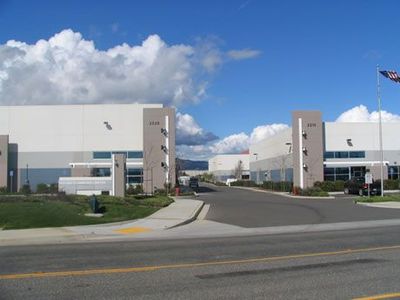
Our surveying professionals use state-of-the-art equipment to deliver precise and dependable maps for your development, infrastructure, or public works project.
PLANNING &
ENTITLEMENTS
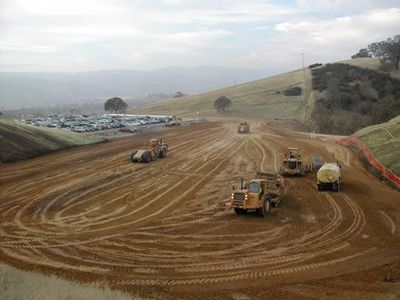
Navigating regulations and local requirements can be complex. We guide you through every step—from feasibility and documentation to public presentations and final approvals.
our services
We began providing civil engineering and surveying services to clients in 1953. Since that time, we have gradually expanded our services within those fields, adding the staff to handle a wider range of projects across a larger geographic area. Today we offer clients throughout Northern California the experience and technical skill to bring about their visions in a cost-effective, timely manner.
leaders in civil engineering and
land surveying services
At Laugenour and Meikle we have built a reputation on providing our clients civil engineering, land surveying, and planning and entitlement services on projects across a variety of industries - from industrial to residential to public works.
Our experienced
Land Surveying
department combines the benefits from historical best-practices with cutting-edge technology like GPS, robotics, and drones, to create the most accurate and reliable maps.
Our knowledgeable and experienced team offers comprehensive services tailored to both residential and commercial projects. From planning and approvals to detailed due diligence reporting, we support every phase of development. Our expertise spans:
- Residential and commercial subdivisions
- Mixed-use community developments
- Commercial and retail projects
- Industrial and manufacturing developments
- Water distribution systems
Additionally, we specialize in power and telecommunication utility design, on-site sewage treatment facilities, and sanitary sewer collection systems. Whether you require stormwater treatment facilities, LEED certification guidance, or erosion and sediment control, our focus remains on delivering reliable solutions through attentive design and inspection.

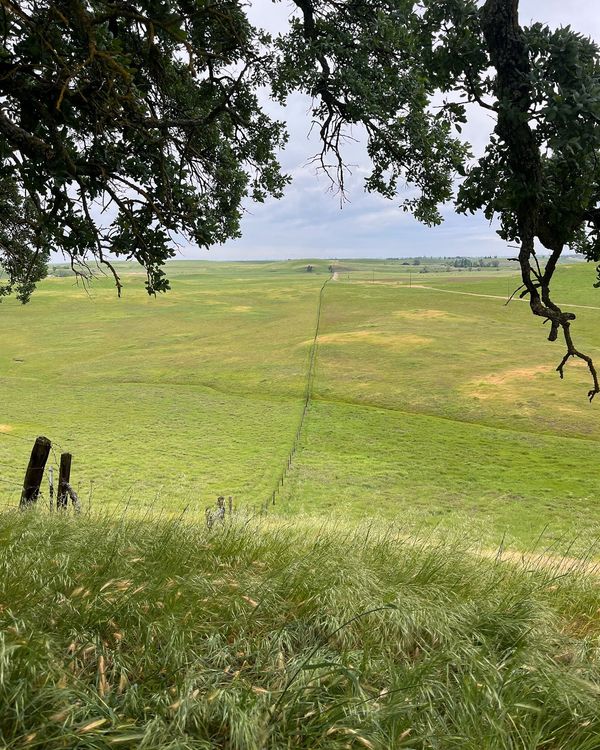
Our highly-trained Civil Engineering department offers a comprehensive suite of services designed to support projects from inception to completion, including:
- Planning and approvals
- Due diligence reporting
- Residential and commercial subdivisions
- Mixed-use community developments
- Commercial and retail development
- Industrial and manufacturing projects
- Water distribution systems
- Power and telecommunication utility design
- On-site sewage treatment facilities
- Sanitary sewer collection systems
- Stormwater treatment facilities
- LEED certification guidance
- Erosion and sediment control
- Complete design and inspection services
Whether you're navigating the complexities of municipal approvals, planning a new residential community, or designing sustainable infrastructure, our team brings expertise and attention to detail every step of the way.
At Laugenour and Meikle we have built a reputation on providing our clients civil engineering, land surveying, and planning and entitlement services on projects across a variety of industries - from industrial to residential to public works.
Our highly-trained
Civil Engineering
department is able to support clients from design to build, ensuring high-quality design, smooth project management, and cost-effective solutions, all delivered on-time.
Our experienced
Land Surveying
department combines the benefits from historical best-practices with cutting-edge technology like GPS, robotics, and drones, to create the most accurate and reliable maps.
Our knowledgeable and experienced staff helps clients navigate the complicated world of
Planning and Entitlements, from the early feasibility studies to documentation to earning approval during presentations at public forums.
Dedicated to serving the clients of Northern and Central California
Laugenour and Meikle is a full-service firm that has been delivering high-quality, expert, and state-of-the-art
civil engineering,
land surveying, and
planning and entitlement services, across a wide range of industries, to clients in Northern and Central California since 1953. With a reputation and business built on trust with our repeat and referral clientele,
learn how we can help you with your next project.
Contact Us today or call
530-662-1755 to discuss your project with our experienced team.
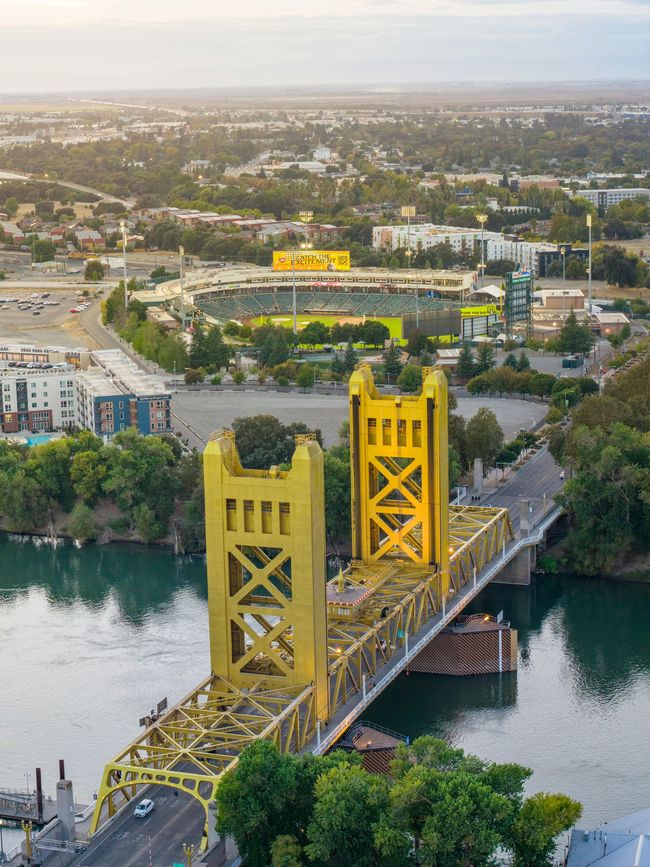
View Our Work to see successful projects like the Yolo County Justice Center and Cache Creek Casino Resort.
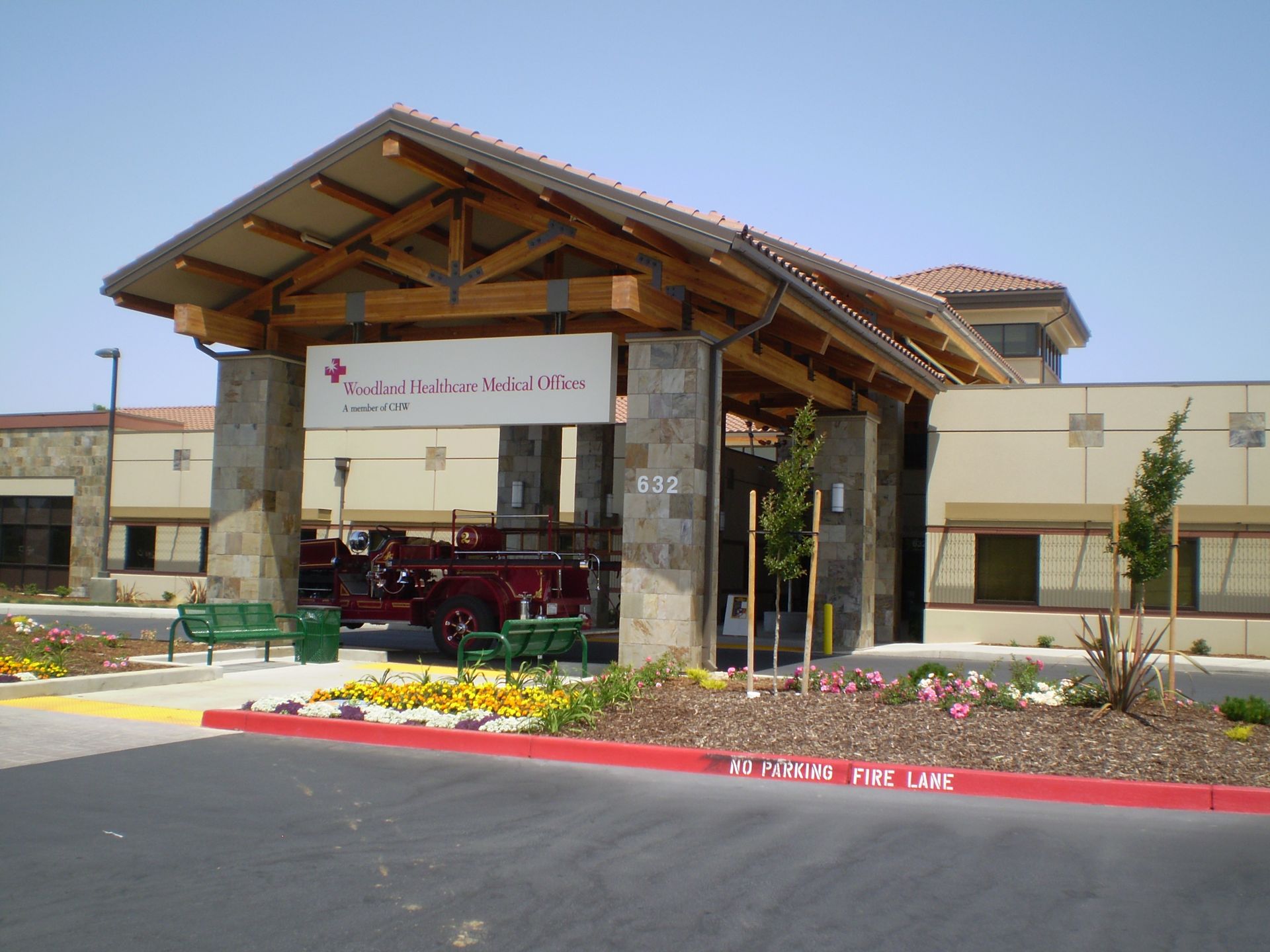
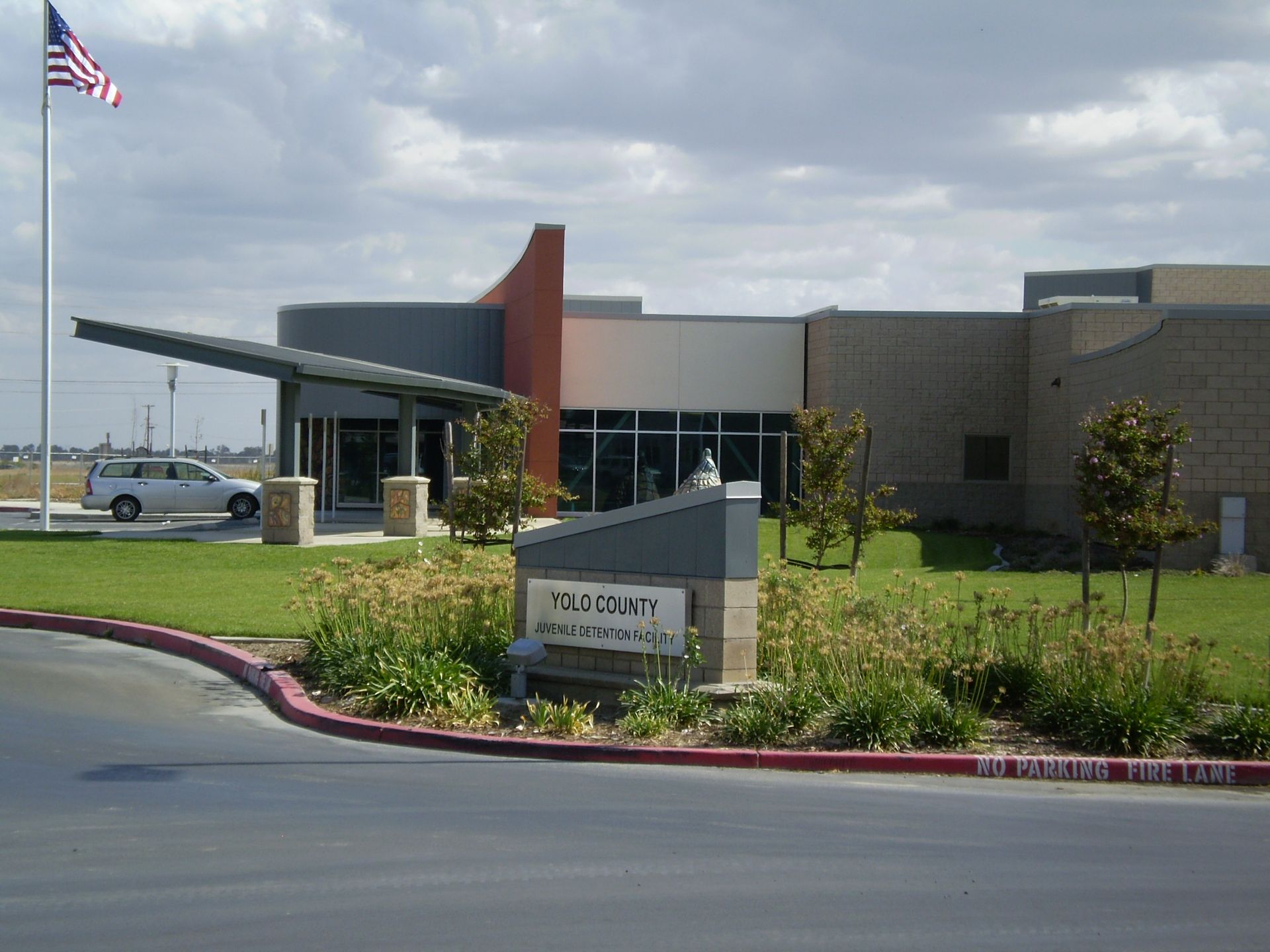
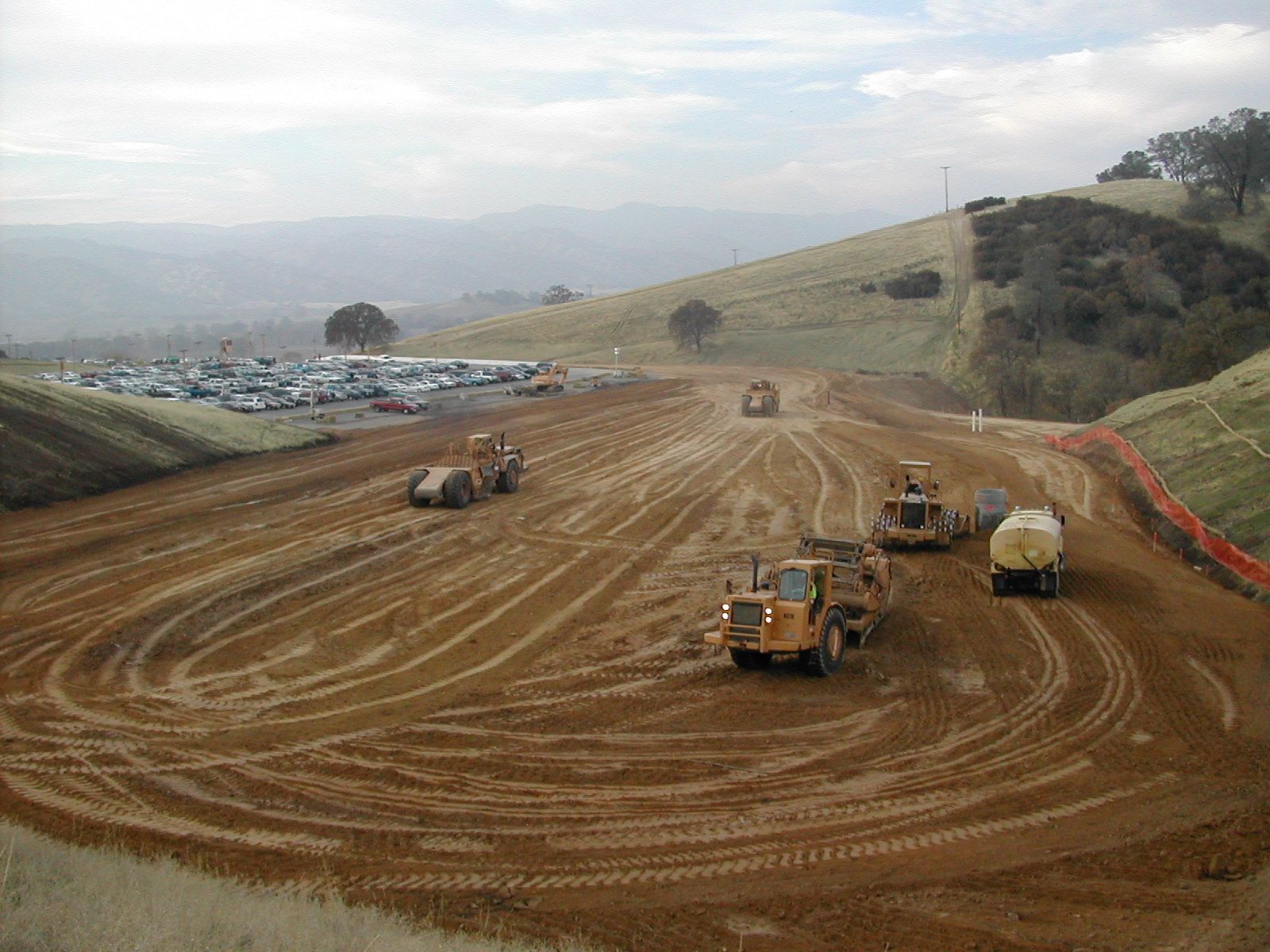
Serving a Broad Geographic Area
While our roots are firmly planted in Northern and Central California, Laugenour and Meikle proudly supports projects throughout the region, including neighboring communities and counties. Over the years, our reach has grown to include a diverse client base spanning urban centers, rural developments, and everything in between.
We provide land development, engineering, and surveying services in:
- Sacramento Valley
- San Francisco Bay Area
- Woodland, CA
- Davis, CA
- West Sacramento, CA
- Central Valley
- Sierra Nevada foothills
- North Coast and Wine Country
- And many other locations throughout Northern and Central California
Notable Recognition


FREQUENTLY ASKED QUESTIONS ABOUT CIVIL ENGINEERING
What is stormwater treatment and how is it handled in civil engineering projects?
Stormwater Management Solutions
Stormwater treatment is a critical aspect of modern civil engineering, focusing on managing rainwater runoff to prevent flooding, reduce pollution, and protect waterways. These systems are carefully designed to capture, filter, and slowly release stormwater using features like detention basins, vegetated swales, and permeable pavements. Projects often incorporate best practices from organizations such as the EPA and the American Society of Civil Engineers, ensuring our solutions help local communities stay resilient while minimizing environmental impact.
How are mixed-use community developments designed and managed by civil engineers?
How Civil Engineers Design and Oversee Mixed-Use Community Developments
Designing mixed-use community developments is a balancing act—kind of like organizing a neighborhood block party, but with a bit more paperwork and a lot more pipes.
Here’s how civil engineers make it all happen:
- Strategic Planning & Approvals: It starts with meticulous site analysis, zoning research, and securing the necessary rubber stamps from city hall (yes, they love their stamps).
- Infrastructure Integration: Water lines, stormwater management, and sanitary sewers get woven into a seamless network, ensuring homes, shops, and offices stay dry and flush with convenience.
- Sustainable Considerations: Civil engineers incorporate green practices—think rain gardens, energy-efficient systems, and LEED-friendly designs—to keep the community both livable and planet-friendly.
- Utility Coordination: From power to internet, every utility thread is coordinated and threaded through the development’s fabric, so no one’s left without Wi-Fi—or hot coffee.
- Erosion and Sediment Control: Engineers lay down best practices to prevent muddy disasters and keep construction runoff out of local creeks.
- Ongoing Oversight: With design in place, there’s hands-on supervision, inspections, and adjustments, ensuring that what’s built matches what was meticulously imagined.
The result is a thoughtfully integrated neighborhood, smoothly blending living, working, and playing—all thanks to the behind-the-scenes magic (and math) of civil engineering.
What is involved in erosion and sediment control in civil engineering?
Erosion and Sediment Control Explained
When it comes to civil engineering, erosion and sediment control is all about keeping soils where they belong—on the site and out of waterways. This involves implementing a combination of strategies and best management practices:
- Site Assessment: Identifying vulnerable areas, such as exposed slopes or drainage ways, that may be prone to erosion.
- Planning: Integrating control measures into the overall project plan before work even begins.
- Physical Barriers: Using silt fences, wattles, sediment basins, and temporary mulches to slow runoff and trap sediment on site.
- Vegetative Solutions: Planting grass or ground cover to stabilize soil and prevent it from washing away.
- Water Flow Management: Installing diversion ditches, check dams, and other structures to direct water away from sensitive zones.
- Maintenance and Inspection: Regularly checking and maintaining all control devices, especially after rainfall, to ensure they're performing as intended.
These methods, recommended by organizations like the EPA and recognized in standards such as those from the International Erosion Control Association (IECA), help minimize environmental impact and keep projects in compliance with regulations. Erosion and sediment control isn’t just good practice—it’s essential for responsible site development.
What services do civil engineering firms offer for water distribution systems?
Water Distribution System Services
Civil engineering firms frequently provide comprehensive solutions for municipal and private water distribution systems. These services typically encompass planning and designing new pipelines, upgrading aging infrastructure, hydraulic modeling to ensure reliable flow, and integrating advanced technologies for monitoring and leak detection. Firms also handle permitting, construction administration, and coordination with regulatory agencies—ensuring everything flows smoothly from concept to completion. Whether it’s delivering clean, potable water for neighborhoods or supporting fire protection, these projects help keep communities thriving.
What roles can civil engineering firm play within a project team?
Project Team Roles: Leading or Supporting
Whether at the helm or as a supporting player, a civil engineering firm can adapt to fit just about any role your project demands. Some teams want an experienced guide to steer every phase, from initial brainstorming right through the last punch list item. Others already have a strong leader and just need a technical ace to round out the group.
Here’s where civil engineers typically jump in:
- Project Lead: Overseeing design, coordinating schedules, and keeping everyone marching in step.
- Technical Advisor: Weighing in with expertise on tough engineering challenges, regulatory compliance, or innovative solutions.
- Collaborator: Lending a hand on specific phases—maybe design review for an ambitious trail network, or vetting plans for a new industrial site.
No matter the role, teamwork is non-negotiable. Civil engineering isn’t a solo sport—constant collaboration (and smart communication) keep things running as smoothly as a well-paved city street.
How are sanitary sewer collection systems planned and implemented?
Planning and Implementing Sanitary Sewer Collection Systems
Designing an effective sanitary sewer collection system starts well before the first trench is dug. It begins with detailed site analysis and a thorough understanding of the community's current and future needs.
Careful planning includes:
- Assessment of Topography and Flow Patterns: Engineers survey the landscape to determine natural slopes, allowing gravity to do most of the work when possible. This minimizes energy use and long-term maintenance costs.
- Population and Usage Forecasting: Anticipating both present and future demands ensures the infrastructure will handle increased use from new developments, schools, or commercial expansions.
- Environmental Considerations: Sites are evaluated for proximity to waterways and sensitive areas. Systems are designed to limit environmental impacts and comply with regulations from organizations like the EPA.
Once the groundwork is complete, implementation unfolds in distinct phases:
- Preliminary Design: Engineers map routes for piping, pump stations, and access points, taking care to avoid conflicts with existing utilities—think gas lines, fiber networks, or water mains.
- Permitting and Approvals: Proposals are reviewed by local and state authorities, and environmental clearances are secured.
- Construction: Specialized contractors install the system, deploying durable materials such as PVC or ductile iron pipes and integrating manholes at regular intervals for easy inspection and maintenance.
- Testing and Commissioning: Once installed, every section of the system undergoes pressure and leak tests to guarantee seamless operation before connecting to municipal treatment facilities.
Throughout the process, attention to detail—like selecting pipe diameters to handle both dry weather flow and heavy rain events—ensures these underground networks quietly and reliably serve communities for decades.
What are on-site sewage treatment facilities and how are they designed?
On-Site Sewage Treatment Facilities
On-site sewage treatment facilities, often called septic systems, are designed to safely manage and treat wastewater directly on the property where it is generated. These systems are especially common in rural and suburban areas that lack access to centralized sewer networks.
The design process for an on-site system typically begins with a thorough evaluation of local soil conditions, groundwater levels, and property layout. Engineers and environmental professionals use this information to determine the most effective system type—whether that's a conventional septic tank and drainfield, an advanced aerobic treatment unit, or another method tailored to site-specific needs.
Key design considerations include:
- Capacity: Sizing the tank and drainfield according to the household or facility's water usage.
- Soil Permeability: Conducting percolation tests to assess how quickly the soil can absorb treated effluent.
- Setbacks and Regulations: Complying with local codes regarding distances from wells, water bodies, and property lines.
- System Longevity: Planning for ease of maintenance and potential future expansions.
Organizations such as the Environmental Protection Agency (EPA) provide guidance on selecting, installing, and maintaining these systems, ensuring public health and environmental protection are prioritized.
What is due diligence reporting in the context of civil engineering?
Due Diligence Reporting
Before breaking ground, civil engineers take a deep dive into the facts—this is due diligence reporting. Think of it as the homework stage of any project, where we examine site conditions, regulations, environmental factors, and any lurking surprises that could slow progress. This process often includes pouring over surveys, utility maps, soil reports, and local ordinances, much like checking the weather forecast before planning an outdoor barbecue.
Due diligence helps answer questions like: Is this plot free from hidden utility lines? Will wetlands protection slow things down? Are there any zoning red flags? Reliable reporting means fewer unforeseen hiccups and smoother project delivery, which is why every reputable firm—like Stantec or AECOM—treats it as non-negotiable.
How is power and telecommunication utility design incorporated into civil engineering projects?
Power and Telecommunication Utility Integration
Modern civil engineering projects often demand seamless incorporation of both power and telecommunication utilities. This involves coordinating with local service providers to ensure all underground or overhead lines are carefully routed and protected throughout the construction process.
Civil engineers work closely with utility companies and municipalities to map existing infrastructure, determine optimal pathways for new lines, and plan for future expansion. Design solutions may include specialized duct banks, conduit layouts, and secure access points—elements that are as crucial to a project’s success as the foundation itself.
This integrated approach helps create reliable service networks for everything from lighting and traffic signals to high-speed internet access, ensuring that new developments are ready for the needs of tomorrow.
How do civil engineers contribute to LEED certification?
LEED Certification Involvement
Civil engineers play a pivotal role in the LEED (Leadership in Energy and Environmental Design) certification process. By integrating sustainable site design, stormwater management, and efficient materials selection, they help ensure that projects meet the rigorous standards set by organizations like the U.S. Green Building Council. From calculating water efficiency to optimizing energy performance, civil engineers are at the forefront of creating greener, more sustainable structures. Their expertise helps navigate the path to earning valuable credits in categories such as site development, transportation, and innovative design practices—contributing to the overall success of LEED-certified buildings.
How do civil engineering firms tailor their consultant teams to suit different project scopes and budgets?
Adapting Consultant Teams to Fit Every Project
Just as no two construction sites are ever quite the same, civil engineering firms don’t approach projects with a one-size-fits-all mindset. Whether you’re planning a modest community park or a sprawling commercial complex, the consulting team is handpicked to match your project’s unique demands and financial boundaries.
- Scope matters: For more complex undertakings—say, building a coastal bridge in the style of the Golden Gate—the team may include specialty engineers and urban planners. Simpler jobs, like local road repairs, often require a leaner group.
- Budget conscious: Collaborating with partners like Arup, HDR, or local surveying experts, firms can scale the team up or down, making sure that every dollar is working hard. Efficiency is key: there’s no sense hiring a hydrologist when you just need a straightforward site assessment.
This flexible approach means project owners get the expertise they need—nothing more, nothing less—while keeping an eye on the bottom line.
Why Does Collaboration Matter in Civil Engineering?
Why Does Collaboration Matter in Civil Engineering?
Civil engineering projects demand more than technical expertise—they call for seamless coordination between architects, engineers, contractors, and clients. When everyone works together, the result is a project that stays on schedule, avoids budget surprises, and meets (or exceeds) expectations. Think of it like an orchestra: if even one instrument is out of tune, the whole performance suffers.
Whether we’re leading a project from the very first sketch or lending our expertise in a supporting role, we prioritize open communication with every team member. This approach means issues get solved quickly, ideas flow freely, and the finished project reflects the best input from everyone involved. The smoother the collaboration, the stronger the outcome—and we’re committed to making that our standard on every job.
What are the benefits of using cutting edge software in civil engineering?
Leveraging Advanced Software in Civil Engineering
Modern civil engineering is all about efficiency, accuracy, and adaptability. By embracing cutting-edge software like AutoCAD, Civil 3D, Carlson Survey, and Bentley MicroStation, our team can:
- Generate a wide range of layout and grading solutions faster than ever.
- Quickly compare different design options, refining the best concepts while saving valuable project time.
- Streamline the transition from initial concepts to detailed engineering documentation, reducing the chance of errors.
- Deliver precise, data-rich models that help stakeholders visualize outcomes and make informed decisions.
In short, advanced software empowers us to do more—better, and in record time.
Which CAD tools and software are commonly used in civil engineering projects?
Common CAD Tools in Civil Engineering
When it comes to civil engineering, having the right software can turn a mountain of survey data into a well-graded road, site, or subdivision. Most projects these days rely on advanced computer-aided design (CAD) programs to streamline everything from initial concepts to final plans.
Engineers often reach for a handful of industry favorites:
- AutoCAD Civil 3D for site design, grading, and profiles.
- Bentley MicroStation for complex infrastructure layouts.
- Carlson Survey for efficient data collection and surface modeling.
With these tools at hand, producing multiple layout and grading options becomes much faster and more precise than with traditional drafting methods. Whether it’s a public park or a city street, these programs help transform raw data into plans builders can trust.